Junk Journal Supplies
If you’re new to the art of junk journaling, gathering the right tools and materials can seem overwhelming. Where do you even start?!
Unlike traditional scrapbooking that relies on curated kits, junk journaling is all about resourcefulness and creative repurposing. The best supplies are often what others would call, well, junk!
In this article we’ll break down the common items you can start stocking your stash with, from paper scraps to embellishments. There are also a few tools you’ll want to keep on hand.
The Essential Junk Journaling Supplies
At its most basic, a junk journal is essentially a handmade notebook with an interesting variety of papers and pages. Once you have your basic journal put together, you can add to it as much or as little as you feel called to.
Junk Journal Pages
- Scrap paper
- Paper from old books
- Printables
- Kraft paper
- Cardboard or chipboard for the cover
Most junk journalers prefer to craft their own books from scratch using found or printed papers. You don’t need to buy any notebooks! These pages act as the base that you will build up and glue your ephemera onto.
You can have a lot of fun here searching for old books at library sales, beautiful decorative papers, and even recyclables like brown kraft paper used in packaging.
Don’t worry too much about imperfections on the paper like ink spots, glue marks, creasing or wrinkles. These can actually add character to your junk journal, increasing the overall appeal.
Aim for a variety of different textures. Feel the surface of the papers with your hands and even consider the sound they make as you flip through them. All of these elements will add interest and value to the finished project.
If you don’t yet have a stash of papers built up and waiting to be made into a junk journal, you can also find lots of printable ones online that act as a great starting place for your junk journal signatures.
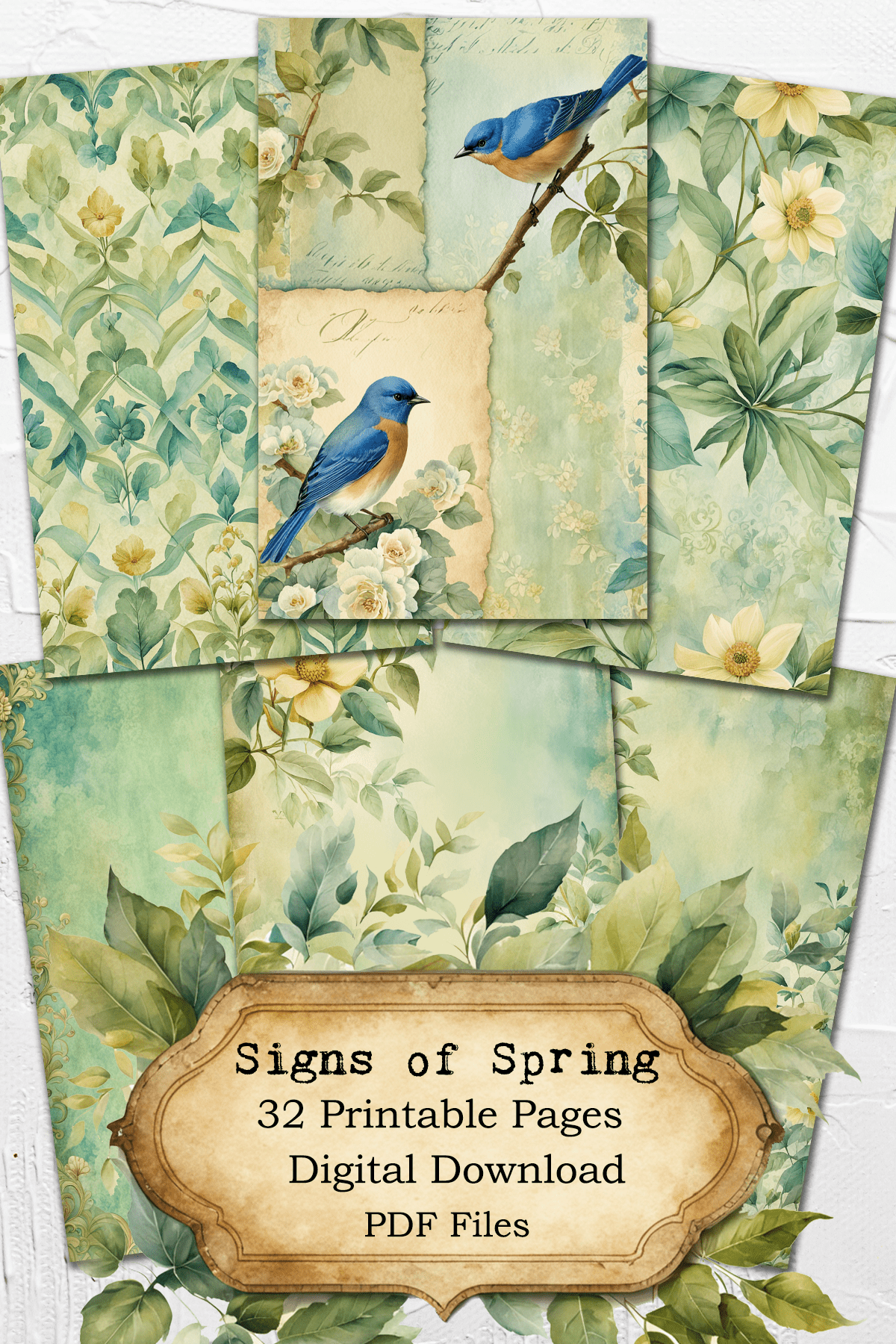
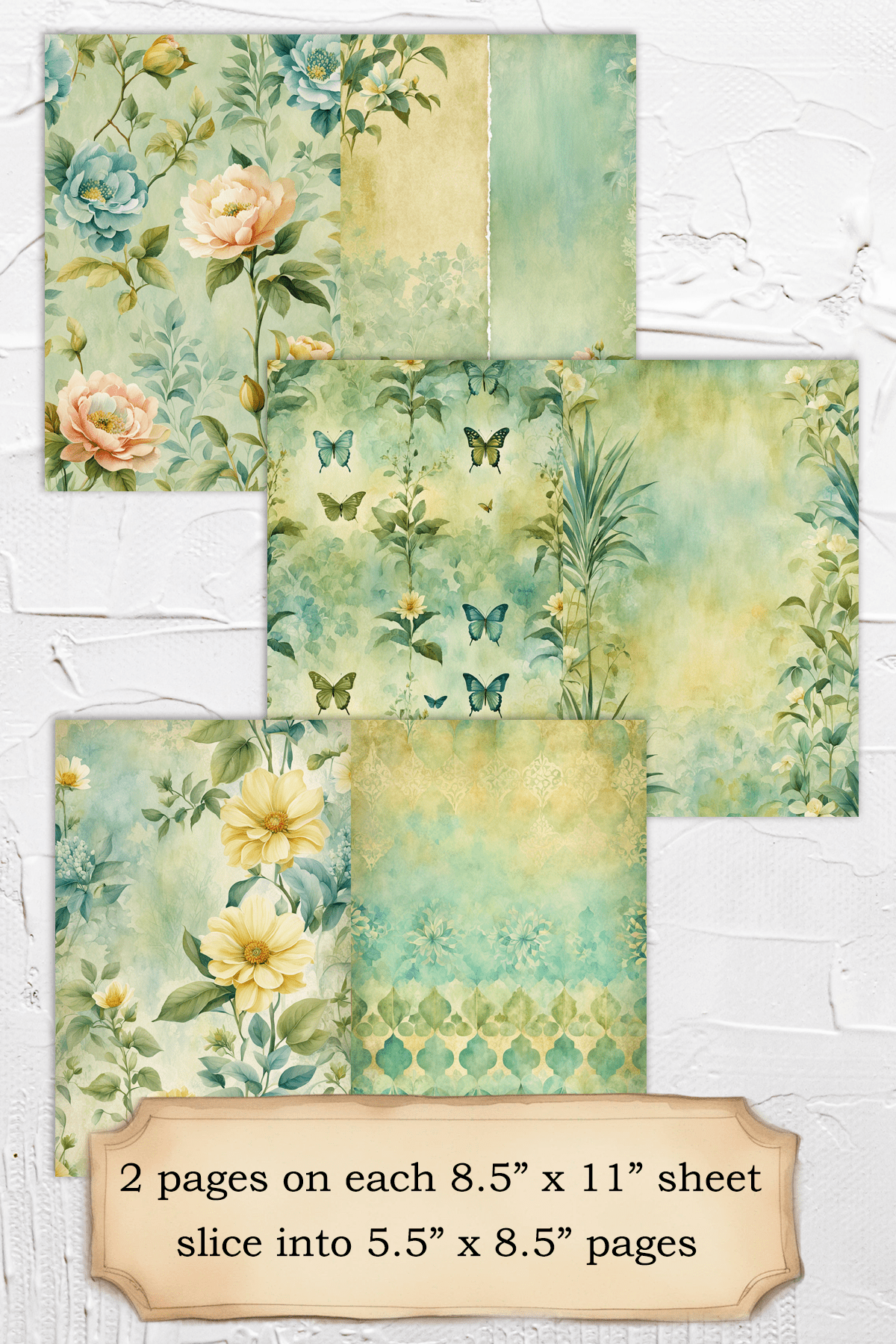
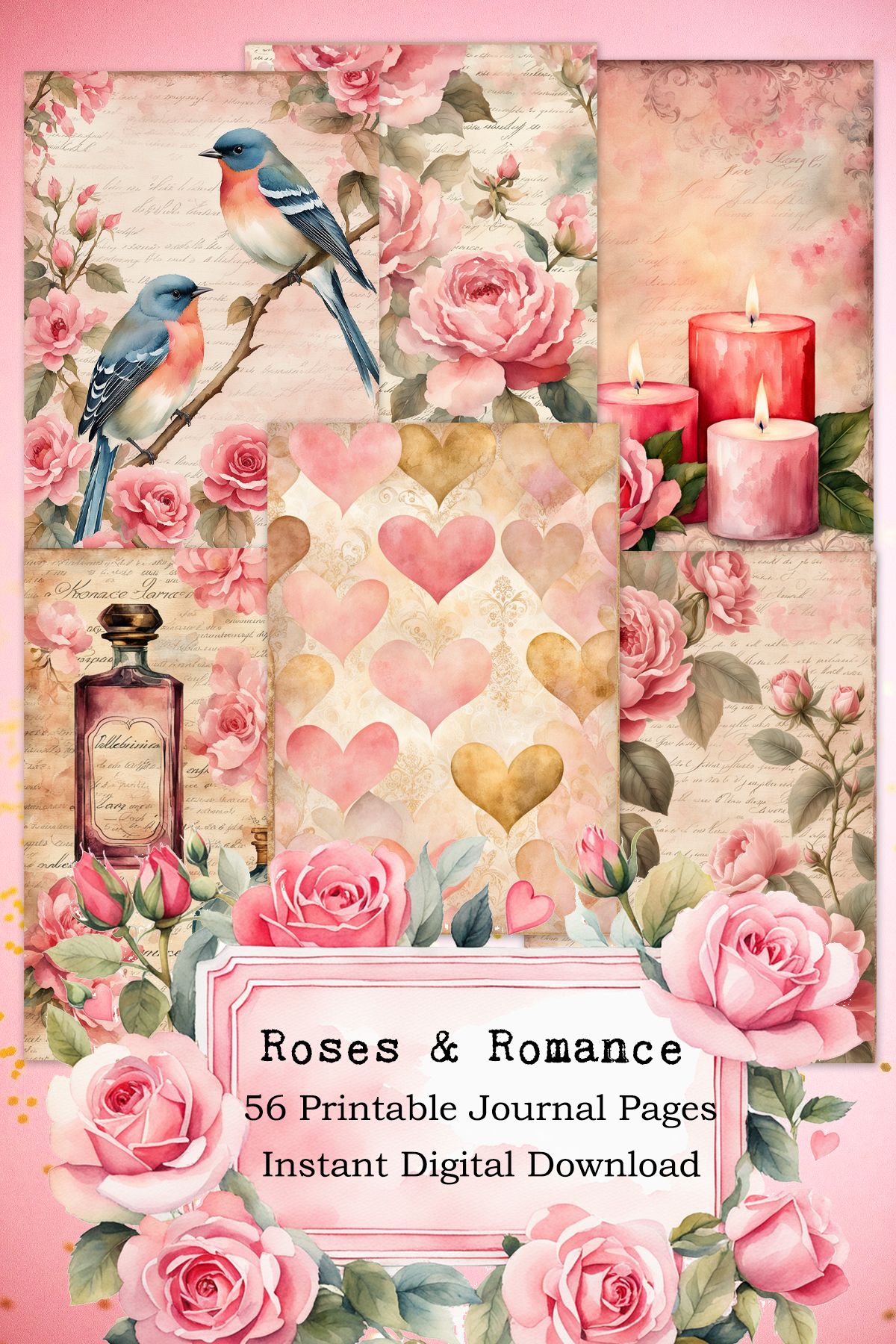
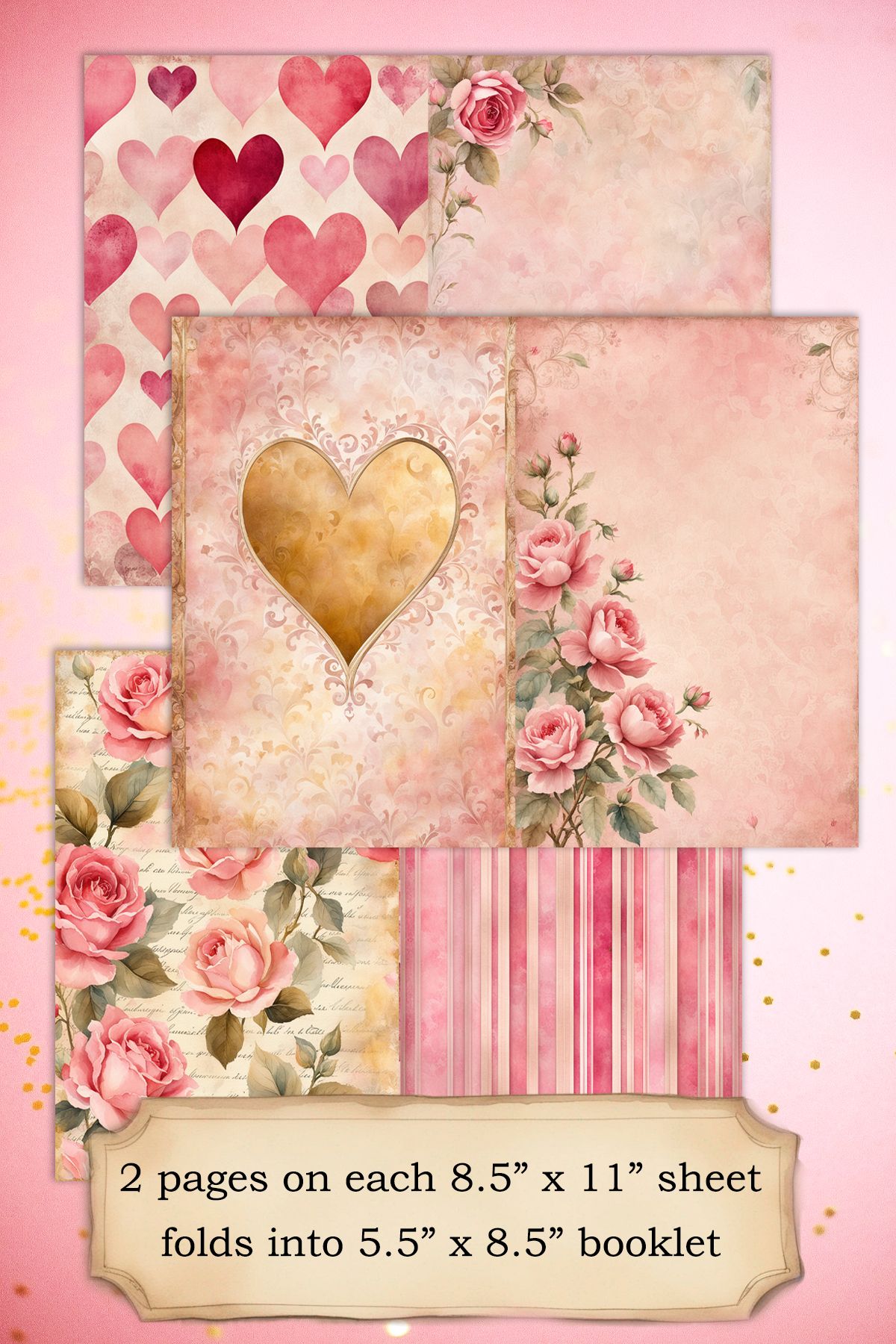
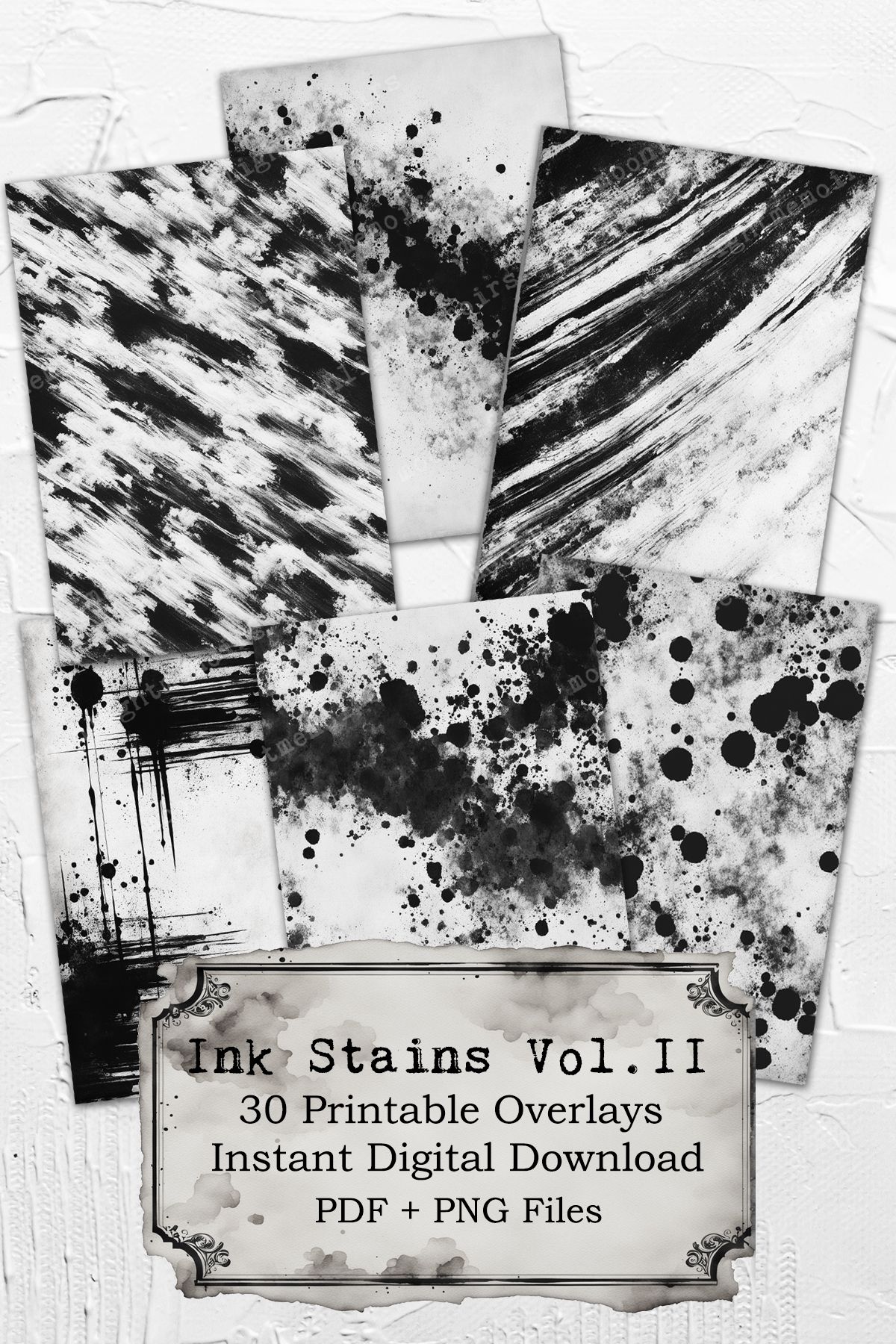
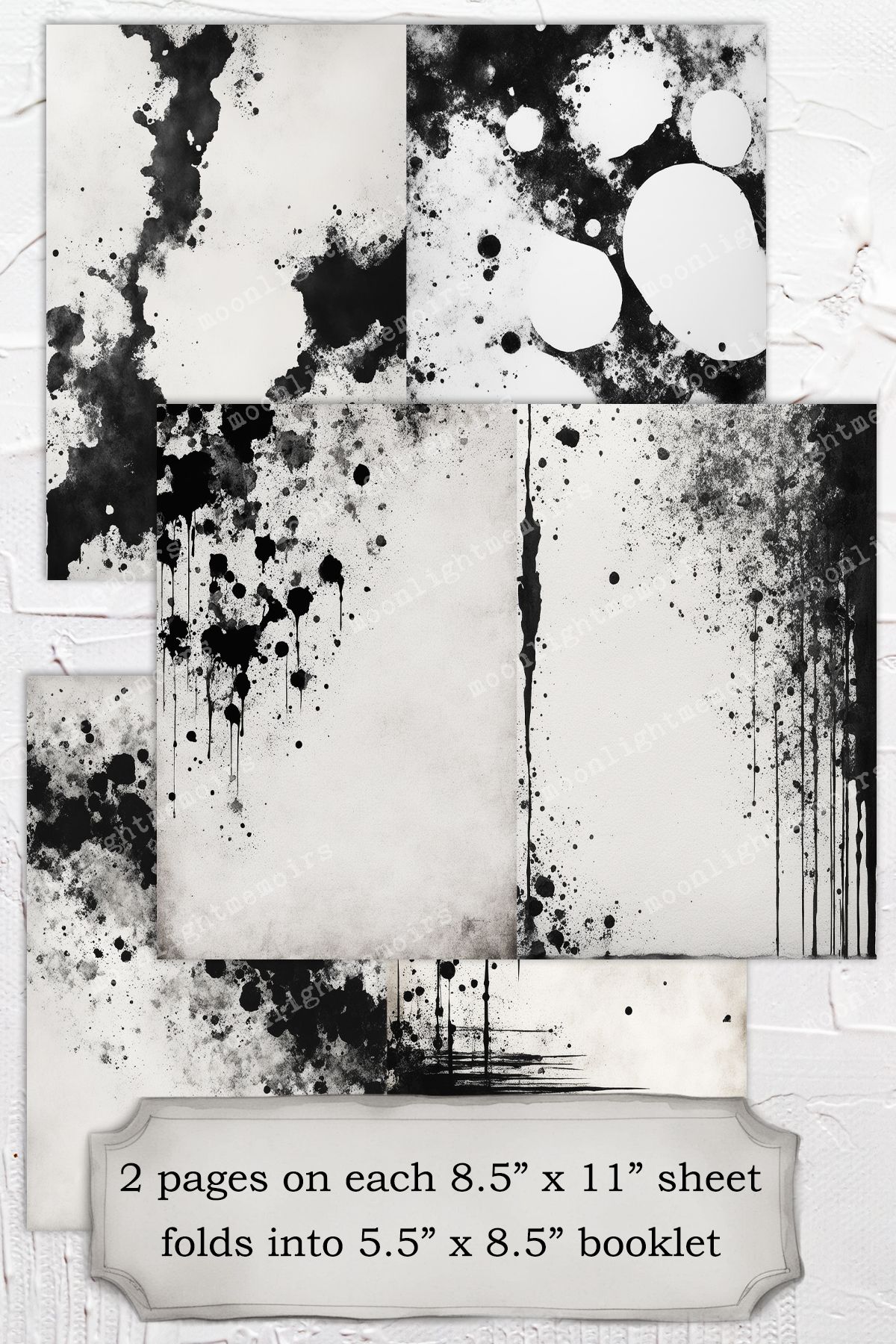
We have lots of different themed papers, like for winter, vintage printables, or extra grungy ones to create the specific atmosphere you’re going for.
Cutting Tools
- Guillotine or paper slicer
- Fussy cutting scissors
- Craft knife
You will be doing lots of slicing and fussy cutting when you junk journal. (This type of craft is kind of like a mix of journaling and collage.)
I highly recommend having a good, sharp paper cutter on hand to get straight edges. Especially if your printer doesn’t have a borderless option, you’ll find yourself trimming the borders off a lot. A good paper cutter will give you nice straight lines and let you slice batches of paper in bulk to build up your craft supply.
Another good tool to have on hand is a pair of scissors (or two!) for fussy cutting. Ideally they will be comfortable for your hands to hold and use for long periods of time. Many junk journalers will use two pairs of scissors: one for large cuts, and one for small, detailed ones.
A craft knife can also be used for small, precise cuts. If you use one, make sure to grab a cutting board for underneath so that you don’t damage your desk.
If you don’t enjoy the process of fussy cutting or it makes your hands hurt, you could also consider something like a cricut machine to make the cuts for you.
Adhesives
- Washi tape
- Glue sticks
- Double-sided tape
As a junk journaler, you will go through lots of glue! Ideally, your glue will be nice and sticky (obviously!) but also not damage the underlying paper too much. Although personally, I think the crinkled pages can have their own aesthetic effect too.
Folding Tools
- Bone folder
- Scoring machine
Folding tools come in extremely handy when you’re making pockets, tuck spots, and other junk journaling ephemera. You’ll want your folds to lie nice and flat against the pages so they don’t bulk your journal up too much.
Layering Up Ephemera
Once you have the general structure of your junk journal laid out, you can start adding ephemera.
Junk Journal Ephemera Ideas
- Old postcards
- Vintage photographs
- Antique book pages
- Magazine clippings
- Dried botanicals
If you’re anything like me you probably have a hard time throwing away anything paper related! Anything from random packaging materials to old family photos can make great additions to a junk journal.
If you don’t want to ruin old family photos or use glue on them, try scanning them and printing out copies to use in your journals instead.
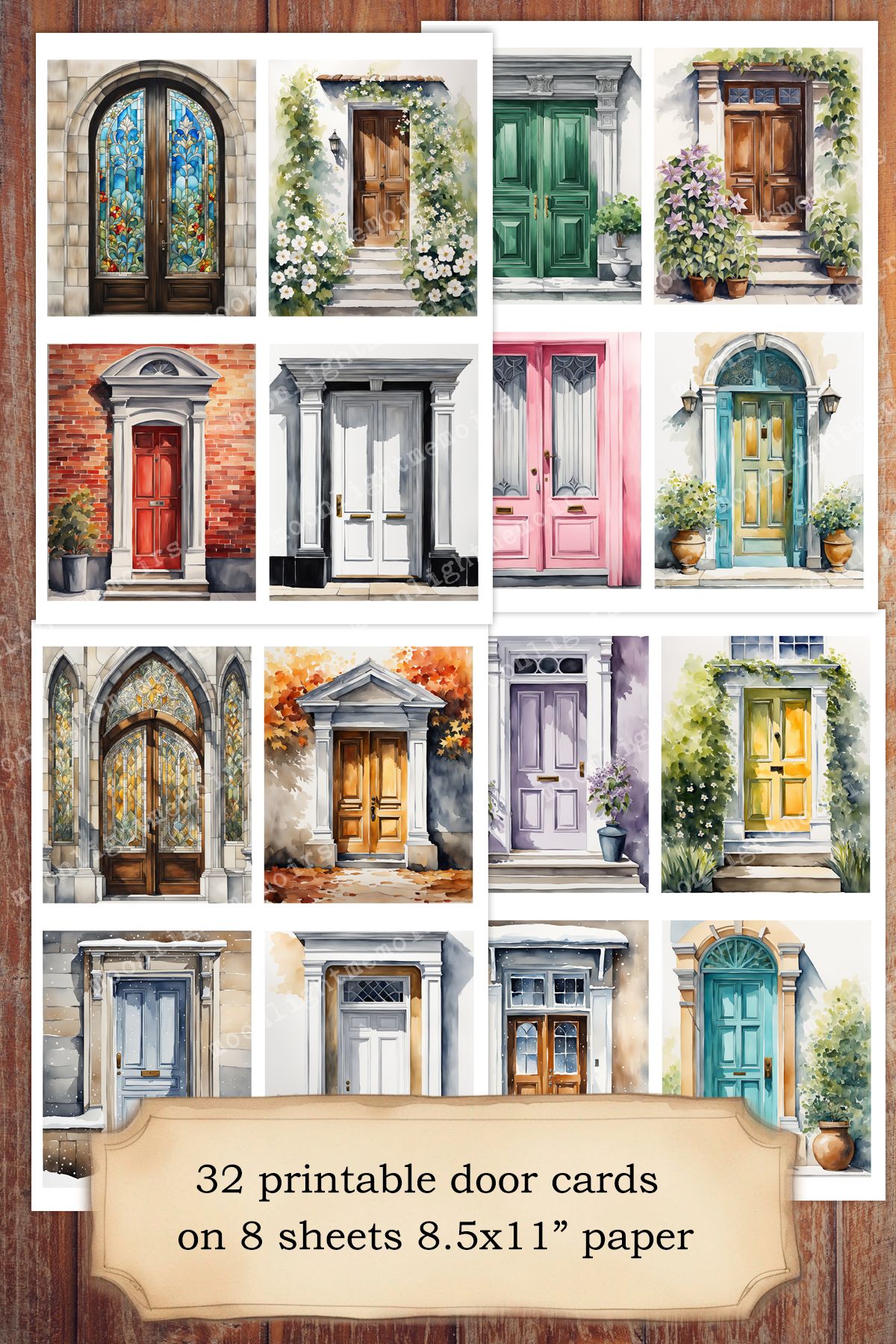
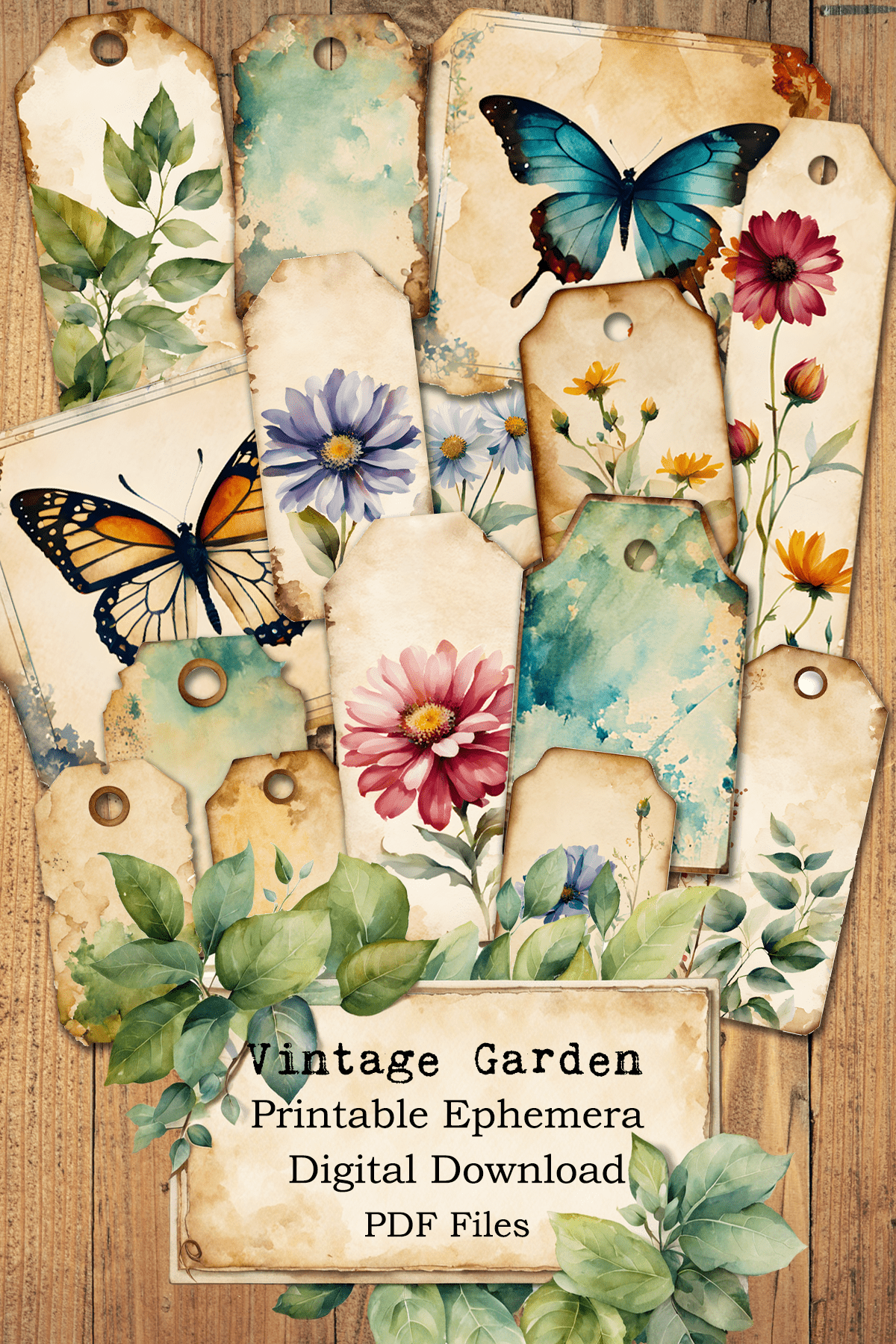
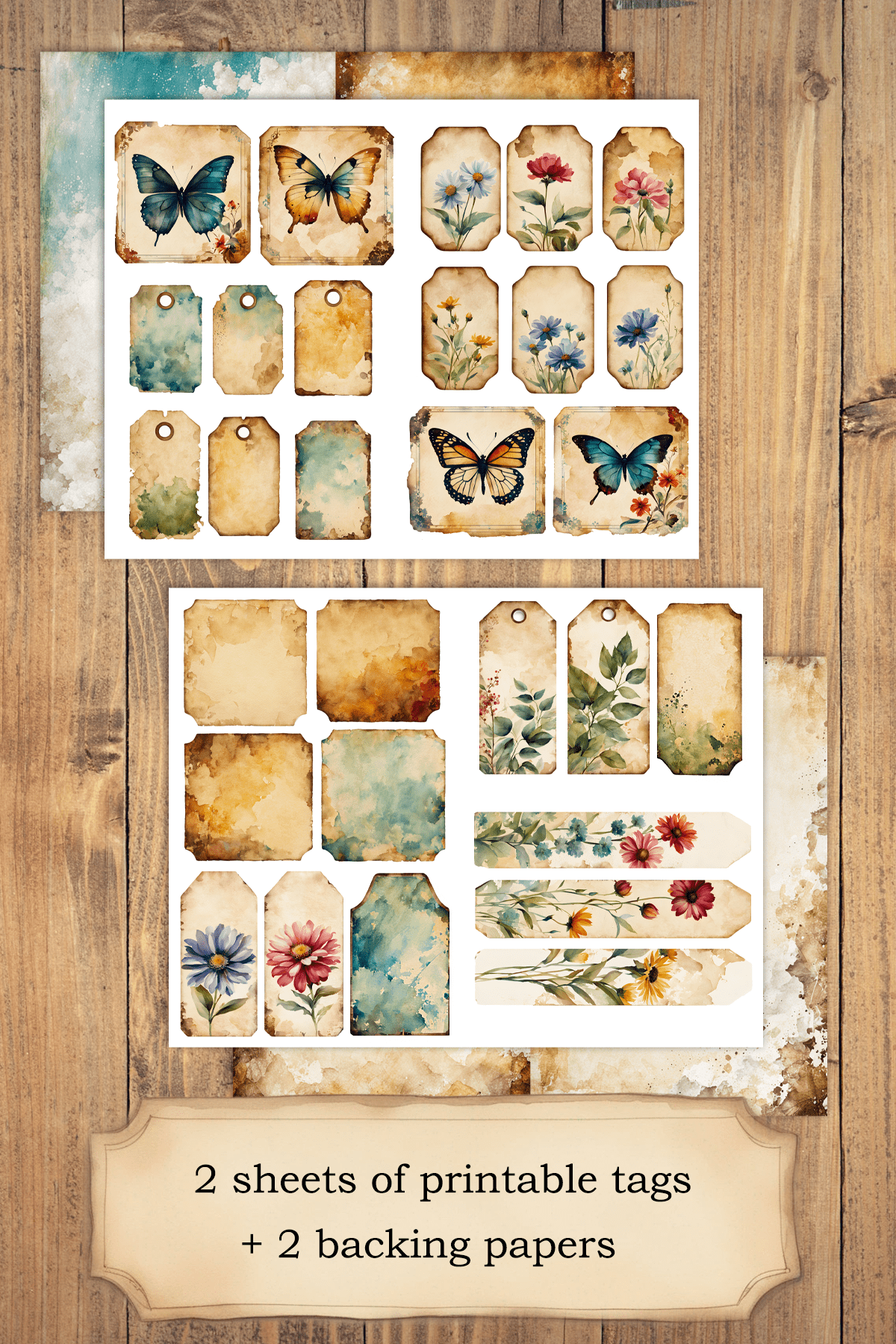
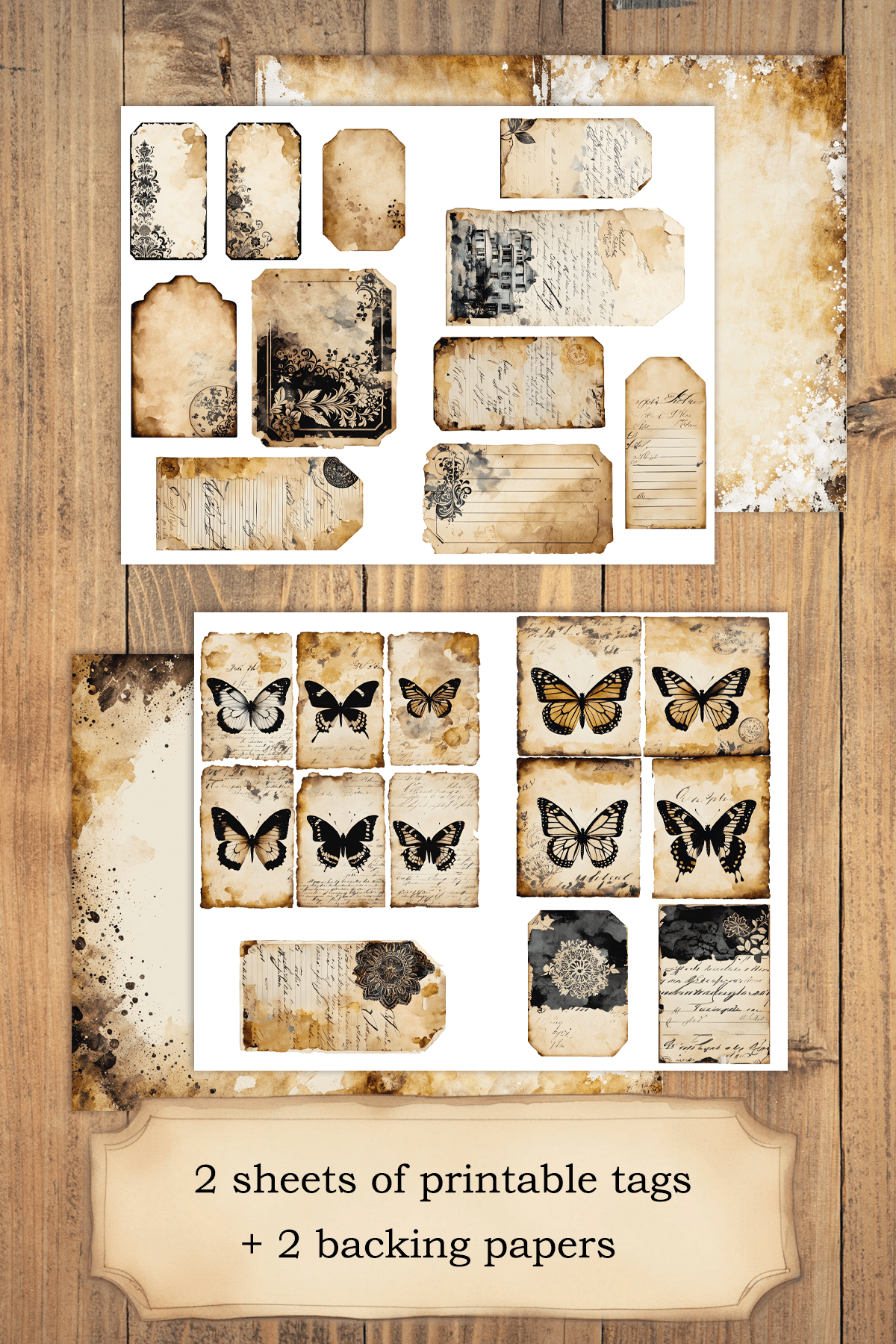
We have lots of printable ephemera available at Moonlight Memoirs, if you want to start building up your collection.
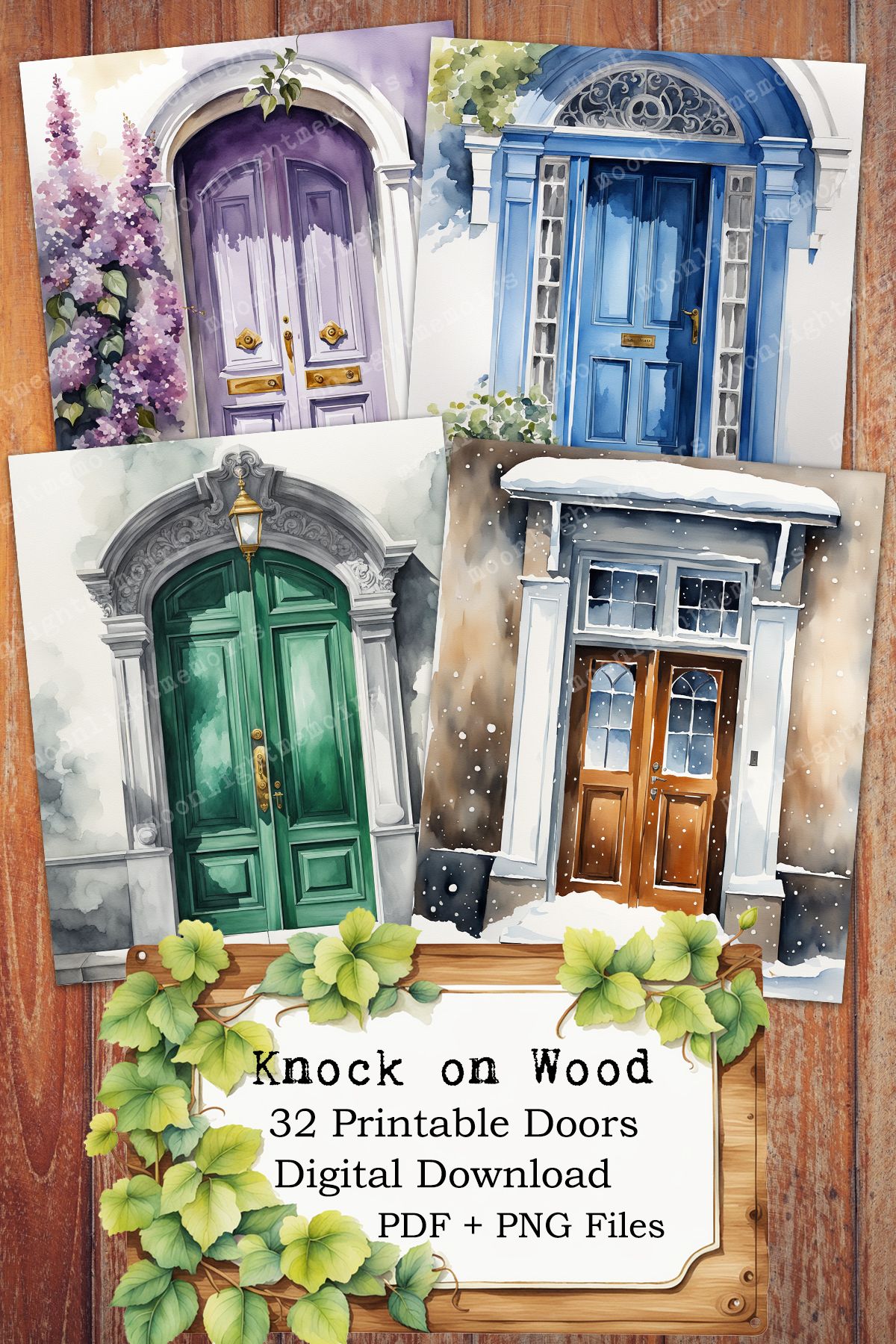

Stickers and Die Cuts
- Vintage-themed stickers
- Intricate die-cut shapes
- Customizable stickers for a personal touch
A junk journal is a great way to use up all of the stickers you have around the house! Some people even peel the stickers off of products they buy. If you think about it, even ten years from now we might not have the same products available. Those labels will be like an old relic!
Fabric Scraps
- Lace
- Burlap
- Patterned fabric swatches
- Cheesecloth/mesh
- Ribbons
- Embroidery thread
Using fabric scraps will really let you play with the texture and color of your journals. They aren’t a necessity, but can add so much visual and tactile appeal.
Finishing Touches
If you like, you can add even more visual interest to your pages by adding these extra details over top.
Writing Instruments
It’s always fun to add extra words and notes into your junk journal. If you prefer to do so in your own handwriting (which is such a nice personal touch!) have lots of writing instruments on hand.
- Gel pens
- Fountain pens
- Calligraphy pens
Stamps and Ink
- Rubber stamps
- Ink pads in various colors (Tim Holtz distress ink is a must!)
- Embossing powder for a touch of elegance
- Gold accents
Paints and Markers
- Acrylic paints
- Watercolor paints
- Metallic markers
I hope this list gave you a great head start in your junk journaling! Not all of these supplies are completely necessary, but there the ideas here should keep you crafting for a long time.
It can definitely take awhile to build up a collection of crafting supplies if you’re just starting out. So don’t be afraid to deck out your crafting space slowly over time.